Deep Neuroevolution

Our technology

For 30 years, neural network architecture has remained an unsolved problem, handled by trial and error. DataValoris applies natural selection to AI model design.

The status quo and its limits

AI model design hits human limits in the absence of construction mathematics. Topologies emerge from trial and error: existing models are poorly optimized, oversized and very compute-hungry. Lacking the means, many companies fall back on pre-wired, and therefore unoptimized, super-models.

The limits of manual AI model design

A new approach: NNTO

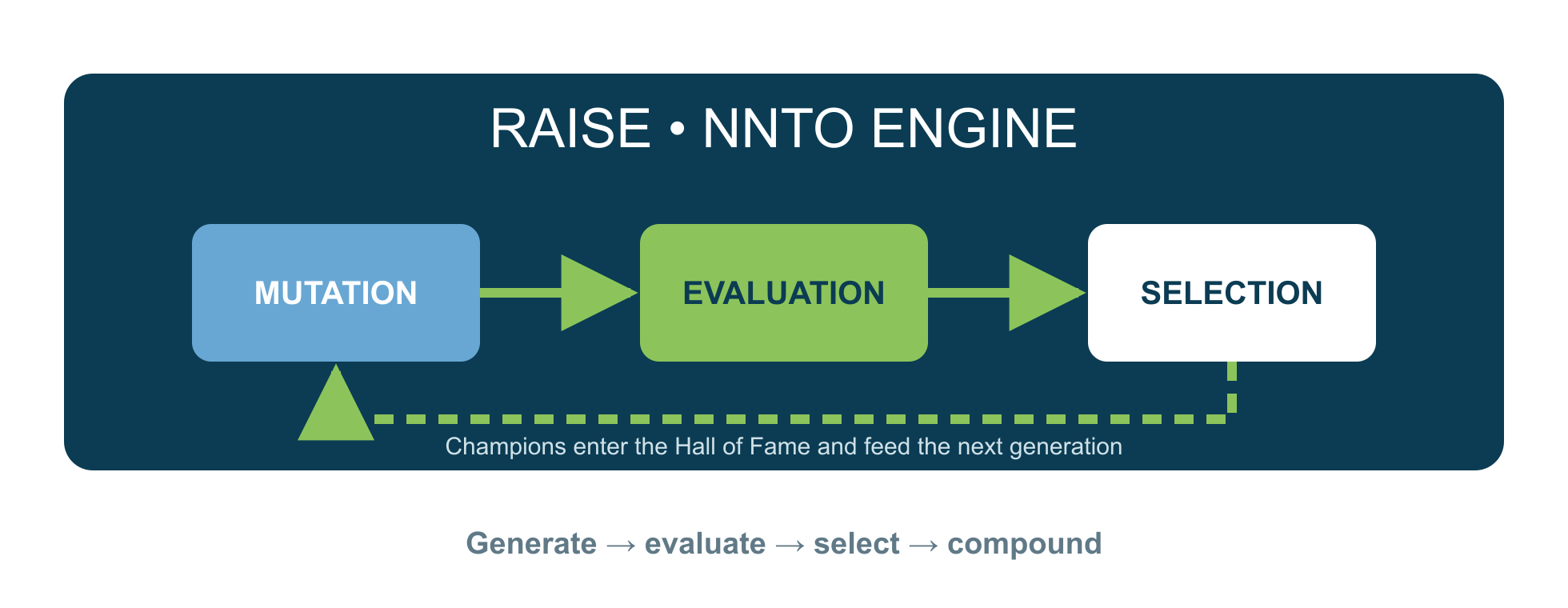
DataValoris chose systemic natural selection to build AI models, mirroring what nature did for biological brains. This is the core of our NNTO engine (Neural Network Topology Optimizer), which works with any neural network framework.

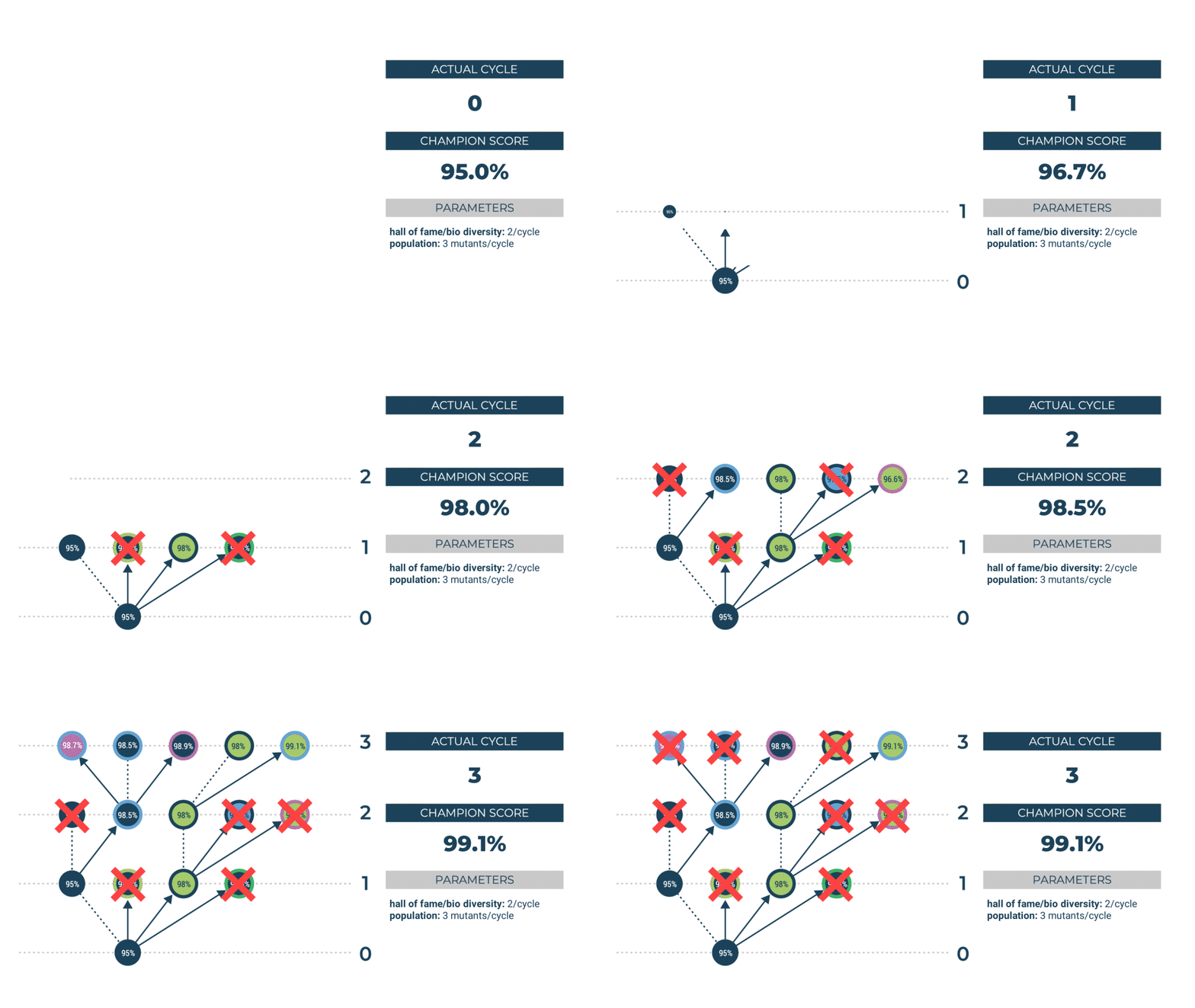
Animation of natural selection applied to neural networks

Mutant AIs

NNTO acts as a layer that drives the chosen framework and provides two services:

Generation service

Produces AIs from the catalog of parent models (HOF, Hall of Fame) and applies mutations to them, following our mutation rules and your selection criteria (objective type, size and more).

Selection service

Chooses, based on reported scores and your constraints, which models join the parent catalog, replacing the least suitable ones.

Selection criteria

The main criterion is the score reported by the Deep Learning framework (raw val_acc, MAE, F1, or a composite such as 80% val_acc + 20% acc x factor). Other criteria weight this score:

  • Model size (number of parameters)
  • Execution speed (average time per epoch)
  • Error difference compared with catalog models

A simplified design process

This method embeds business needs and production constraints from the design stage, instead of a manual trial-and-error mechanism with constraint validation at deployment time.

Current AI model design
Current design
Design with DataValoris

RAISE: Deep Neuroevolution in action

Building on the NNTO engine, we developed RAISE, a SaaS platform that lets any user launch the generation or optimization of Deep Learning models. It is the missing piece of ModelOps: a patented, secure and controlled process, where the connector installed close to your framework avoids moving your data.

Secure architecture of the RAISE platform: connector, mutations, selection

Discover the RAISE platform

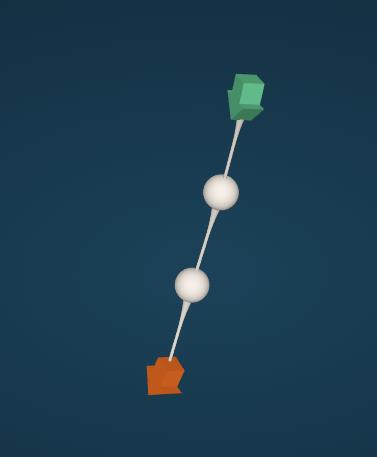
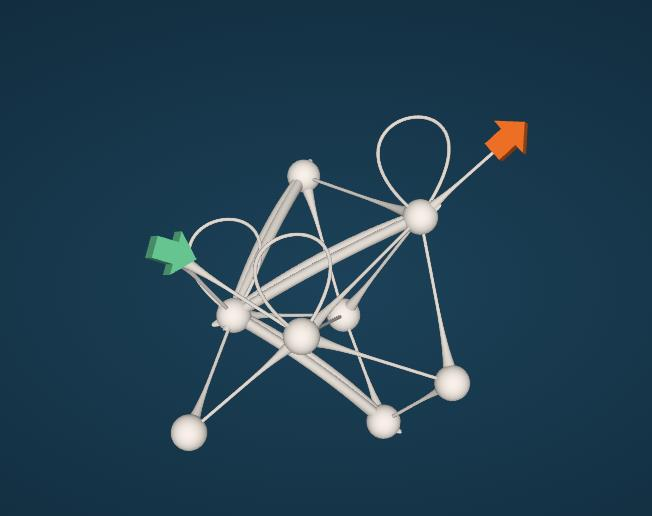
Visualize a neural network in 3D

Explore the interactive visualization (2D / 3D / Stereo / VR) of a neural network generated by our Deep Neuroevolution technology.

Open the 3D visualization

RAISE glossary

A few genetic-algorithm concepts used by the platform:

Mutant
An AI model generated from the catalog and to which mutations have been applied.
HOF size
Number of champion models kept in the breeding catalog. The higher it is, the greater the genetic diversity (but the slower the evolution). The free version is limited to 1; 10 is a common value.
Population
Number of mutants generated per cycle. A value of 6 to 10 is recommended depending on compute capacity (6 by default in free mode).
Cycle
The evaluation process of the current population. With a population of 6, the 10th cycle evaluates mutants 55 to 60.
Generation
Number of ancestors a mutant has since the initial model. A generation-2 mutant has a parent and a grandparent (the initial model).
Growth control
A weighting that favors smaller mutants. At 0 the weighting is off; at the maximum, growth is blocked (useful for edge computing).
Project
An initial model and its entire evolutionary process. You can manage several RAISE projects in parallel.